
This module provides an in-depth understanding of smart grids and how modern power distribution systems are evolving to integrate renewable energy sources efficiently and sustainably.
Introduction to Smart Grids
Learn what smart grids are, how they differ from traditional electricity networks, and why they are critical for managing modern energy demands and renewable integration.
Components of a Smart Grid
Explore key elements including advanced metering infrastructure (AMI), sensors, communication networks, automated control systems, and distributed energy resources (DERs).
Sustainable Power Distribution
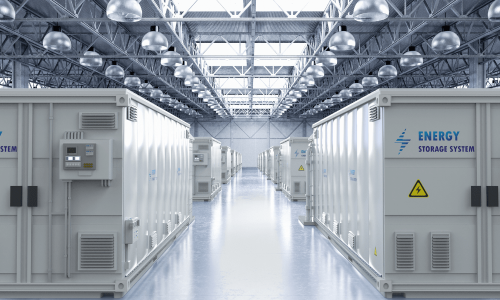
Understand how smart grids enable efficient energy distribution, reduce transmission losses, and incorporate renewable energy sources. Topics include demand response, energy storage integration, and microgrids.
Technologies and Tools
Discover how AI, IoT, and data analytics are used to monitor, predict, and optimize grid performance. Learn about real-time load balancing, predictive maintenance, and fault detection systems.
Hands-On Applications
Students will work on case studies and simulation exercises to design sustainable distribution systems, model energy flows, and analyze grid performance under various scenarios.
By the end of this module, learners will be able to design, analyze, and optimize smart grid systems, ensuring reliable, sustainable, and efficient power distribution in modern energy networks.





Leave a Reply